
Key takeaways
- Gentle, regular movement can help your energy, mood and strength.
- Any amount counts, and it is fine to scale back during a flare.
- Check with your care team before starting something new or intense.
When you are tired or worried about symptoms, exercise can feel like a lot. The good news is that you do not need a gym or a big plan. Small amounts of movement add up, and you can start right where you are.
Why it matters with IBD
Staying active is good for most people, including people with IBD. Regular movement can help with energy, mood, sleep, and keeping your muscles and bones strong. The CDC notes that people with long-term health conditions can benefit from being active, at a level that is safe for them.
Small first steps
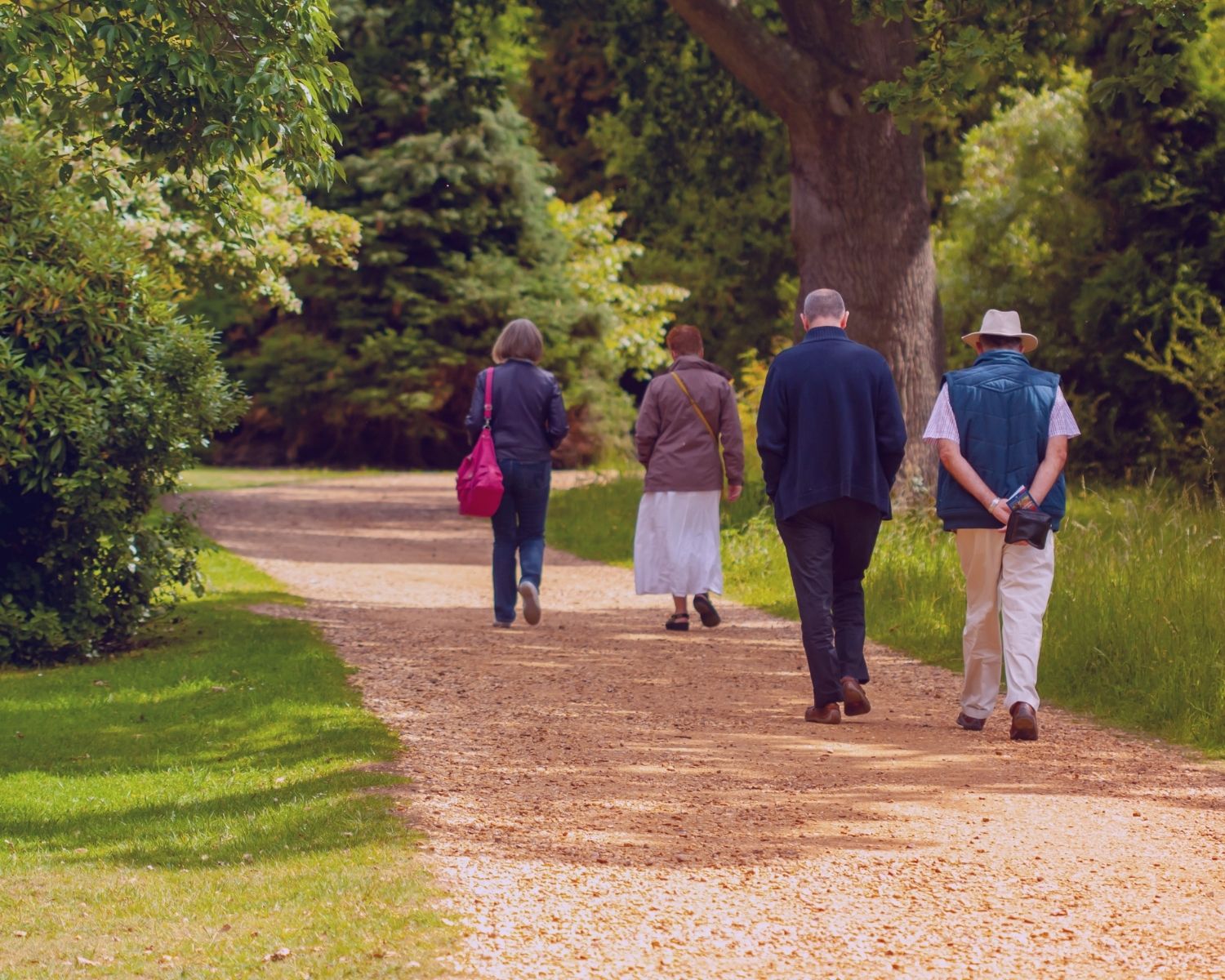
- Take a 10-minute walk. Around the block, in a park, or even indoors all count. See what counts as physical activity.
- Try gentle stretching or yoga. These can ease stiffness and help you relax.
- Spread it out. A few short bouts during the day can be easier than one long session.
- Plan your route. Choosing paths near restrooms can make it easier to get out the door.
- Bring water and drink enough, especially on warm days.
Try this week
- Take a 10-minute walk on three days this week.
- Notice how you feel afterward, and write it down.
- Add a few minutes next week if it felt good.
Flares and good days
Listen to your body. On good days, you may feel ready to do a little more. During a flare, rest is part of the plan, and gentle stretching or a short walk may be enough. Starting again after a break is normal. The Crohn’s & Colitis Foundation shares more about staying active with IBD.
When to talk to your care team
Talk to your GI doctor’s office before starting something new or intense, after surgery, if you have joint pain, or if moving causes pain or makes your symptoms worse.
If you have a SonarMD care coordinator, you can also reach out between visits. They can help you get questions to your GI team.